
Placeholder content: Neurofeedback therapy is a gentle, non-invasive approach that helps the brain practice healthier, more balanced patterns. At Brighter Minds Therapy, neurofeedback is used to support children, teens, and adults who may be experiencing stress, overwhelm, attention difficulties, sleep challenges, or emotional regulation. Our approach is personalized, thoughtful, and designed to meet each client where they are.
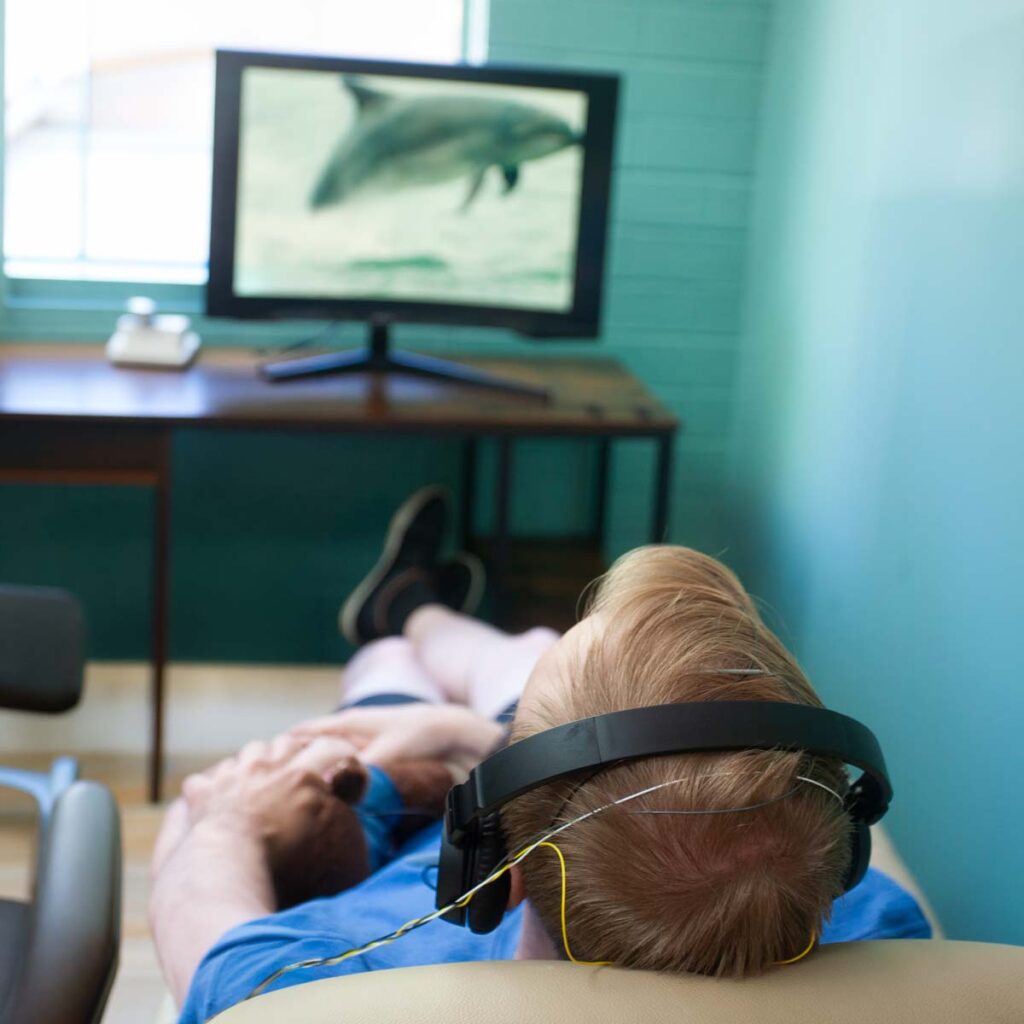
Placeholder content: Neurofeedback therapy is a brain-based approach that gives the brain real-time information about its own activity. Using sensors placed on the scalp, the system monitors brainwave patterns and provides feedback through sounds, images, or other cues. Over time, this process helps the brain learn to shift toward healthier, more regulated patterns.
Neurofeedback does not force the brain to do anything. Instead, it works as a training process that encourages improved self-regulation. Many clients choose neurofeedback because it is non-invasive, personalized, and supportive of overall nervous system health.
For clients seeking a broader treatment plan, neurofeedback may also be part of a more comprehensive approach alongside services like EMDR Therapy and Infant & Child Therapy.

Neurofeedback therapy may be helpful for a wide range of concerns related to regulation, attention, stress, and emotional well-being. While every person’s experience is different, clients often seek neurofeedback support for concerns such as:
See a full list of possible symptoms that Neurofeedback can support here.
Because care is individualized, the best way to know whether neurofeedback may be a good fit is through a consultation and assessment process. We take time to understand the whole person, not just a list of symptoms.
You can also read more about how therapy supports different ages and needs on our Infant & Child Therapy page or browse educational articles on our Resources page.
Placeholder content:
Neurofeedback therapy works by helping the brain recognize and practice more efficient patterns over time. When the brain receives immediate feedback about its activity, it has the opportunity to adjust and strengthen healthier responses. This process supports self-regulation, which can affect focus, mood, stress response, sleep, and overall functioning.
In simple terms, neurofeedback helps the brain learn from its own activity. Rather than relying only on insight or talk-based strategies, it offers a direct way to support the nervous system and encourage greater balance. For many clients, this can be especially meaningful when their challenges feel deeply rooted in stress, regulation, or long-standing patterns.
For some individuals, neurofeedback may be one part of care, while others may also benefit from approaches like EMDR Therapy depending on their goals and history.
Your experience begins with getting to know you or your child’s needs, goals, and history.
Neurofeedback sessions are calm, non-invasive, and designed to support regulation over time.

We begin by learning about you or your child’s concerns, goals, and history so care can be personalized.
Small sensors are gently placed on the scalp to read brain activity. They do not send anything into the brain.

During the session, you watch or listen to feedback that helps the brain notice and adjust its patterns in real time.

With repeated sessions, neurofeedback helps support healthier patterns related to focus, regulation, sleep, and emotional balance.

Starting something new often comes with questions. Here are a few common questions about neurofeedback therapy, what it feels like, and how it fits into care at Brighter Minds Therapy.
The number of sessions varies from person to person. It depends on your goals, history, and how your brain and nervous system respond over time. This is something we can discuss during your consultation and throughout the therapy process.
Visit our Resources page for articles, guidance, and helpful information for clients and families.
