
When an infant or child is struggling, the whole family can feel it. Sleep may become difficult, daily routines can feel overwhelming, relationships may become strained, and parents may find themselves unsure of what their child needs or how best to help.
At Brighter Minds Therapy, we believe that supporting a child means looking at the whole family. A child’s emotional and nervous system regulation is closely connected to their relationships, environment, and sense of safety. When one family member is struggling, it can affect everyone—and when the family becomes more supported and regulated, it can create meaningful change for the child as well.
Whether your child is experiencing the effects of early trauma, attachment concerns, anxiety, emotional or physical dysregulation, behavioral difficulties, attention challenges, or changes in mood, we work with you to understand what is happening and determine how we can best support your family.
Our goal is to help your child feel safe, understood, and confident while helping the family develop greater connection, stability, and understanding. We want therapy to be a positive experience for your child and a source of support for the entire family.
Before beginning treatment, we’ll take time to understand your child’s experiences within the context of your family. We’ll talk with you about your concerns, your child’s developmental and family history, what you’ve been noticing at home, and what you hope will change.
From there, we’ll develop a treatment plan that is individualized to your child’s needs and developmentally appropriate, while also considering the needs of the family as a whole.
Depending on your child’s age, needs, and history, treatment may include neurofeedback, individual therapy, family therapy, and/or Eye Movement Desensitization and Reprocessing (EMDR).
Sometimes the child is the primary focus of treatment. At other times, working with parents or the family relationship is an important part of helping the child improve. We may also provide parents with practical strategies and guidance they can use at home to support their child’s progress.

It can be difficult to watch your child struggle, especially when you aren’t sure what is causing the behavior or how to respond. Parents may feel exhausted, worried, frustrated, or overwhelmed, and siblings and other family relationships can be affected as well.
We don’t view these challenges as a failure on the part of the child or the parents. Instead, we work to understand what may be happening underneath the behavior and what the child and family need to feel more regulated, connected, and supported.
Parents may also choose to pursue their own therapy. Parenting a struggling child can bring up our own stress, past experiences, or unresolved trauma. When parents have greater support and regulation themselves, they may find it easier to remain present, connected, and responsive with their children.
Supporting the parent is not separate from supporting the child—it can be an important part of helping the entire family heal and grow.

At Brighter Minds Therapy, we use brain-based and evidence-based approaches that can be adapted to your child’s age, developmental stage, and individual needs.
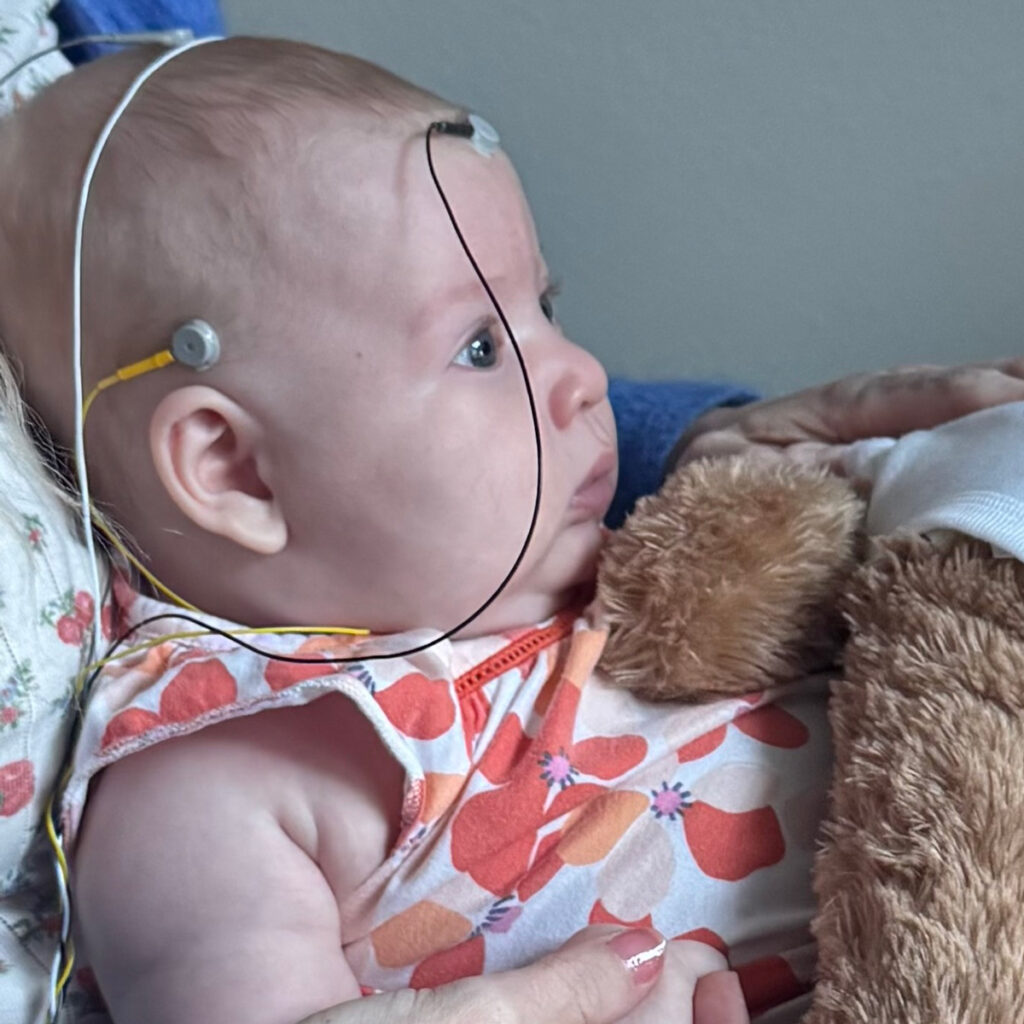
Neurofeedback is a gentle, non-invasive approach that helps the brain learn more regulated and flexible patterns. It can be especially useful for children who may not yet have the ability—or may not feel comfortable—putting their experiences into words.
Neurofeedback may support:
Because neurofeedback does not require a child to talk about difficult experiences, it can be an accessible option for infants and younger children as well as children who have difficulty expressing what they are experiencing.
EMDR is a structured, evidence-based therapy that can help children process experiences that continue to feel overwhelming, distressing, or “stuck.”
EMDR may help children:
EMDR can be adapted to a child’s developmental level and does not require them to describe every detail of a difficult experience.
Infant and child therapy may be helpful for a wide range of emotional, developmental, behavioral, and nervous-system-related concerns, including:
You don’t need to have a diagnosis or know exactly what is wrong before reaching out. Sometimes you simply know that your child is struggling, your family is under stress, or that things at home don’t feel like they used to.
One family came to Brighter Minds Therapy looking for support for their child’s emotional regulation, daily overwhelm, and difficulty navigating everyday routines. Through a thoughtful, personalized approach that included child-centered support and brain-body-based care, their child began to show greater calm, stronger coping skills, and improved day-to-day regulation over time. This story offers a closer look at how therapy can support both children and families in meaningful ways.

Our ultimate goal is not simply to change a child’s behavior or reduce a particular symptom. We want to understand why your child is struggling and how we can support healthier patterns for your child and your family.
When children feel safer and more regulated, parents often feel more confident and capable. When parents feel supported and regulated, children can experience greater safety and connection. And when family relationships become stronger, everyone has more room to grow.
At Brighter Minds Therapy, we are here to support that process—with thoughtful, individualized care for your child and your family.
If you’re wondering whether therapy could help, we’re happy to talk with you. We offer free consultations and would be glad to listen to your concerns, answer your questions, and help you determine whether our approach is a good fit for your family.
Starting therapy for your child can come with a lot of questions. Here are a few common questions families often ask when exploring support.
Brighter Minds Therapy works with infants and children, with care tailored to each child’s developmental stage, needs, and goals.
Some families seek therapy because their child is struggling with behavior, emotions, sleep, overwhelm, stress, or connection. Others are simply looking for support and guidance during a challenging season. A consultation can help determine whether therapy may be a good fit.
Yes. Parents and caregivers are often an important part of the process, especially with younger children. Support may include guidance, collaboration, and shared strategies to help the child feel more supported at home and in daily life.
In some cases, yes. Both EMDR and neurofeedback may be adapted for children depending on their age, needs, and goals. Recommendations are always made thoughtfully and on an individual basis.
That is completely okay. We take a personalized approach and can help determine whether infant and child therapy, EMDR, neurofeedback, or another starting point may be the best fit.
Progress can look different for every child. It may include better emotional regulation, improved sleep, fewer stress responses, stronger coping skills, or more ease in daily routines and family connection.
Visit our Resources page for articles, guidance, and helpful information for clients and families.
